Coaching for Confidence in Leaders: A Case Study
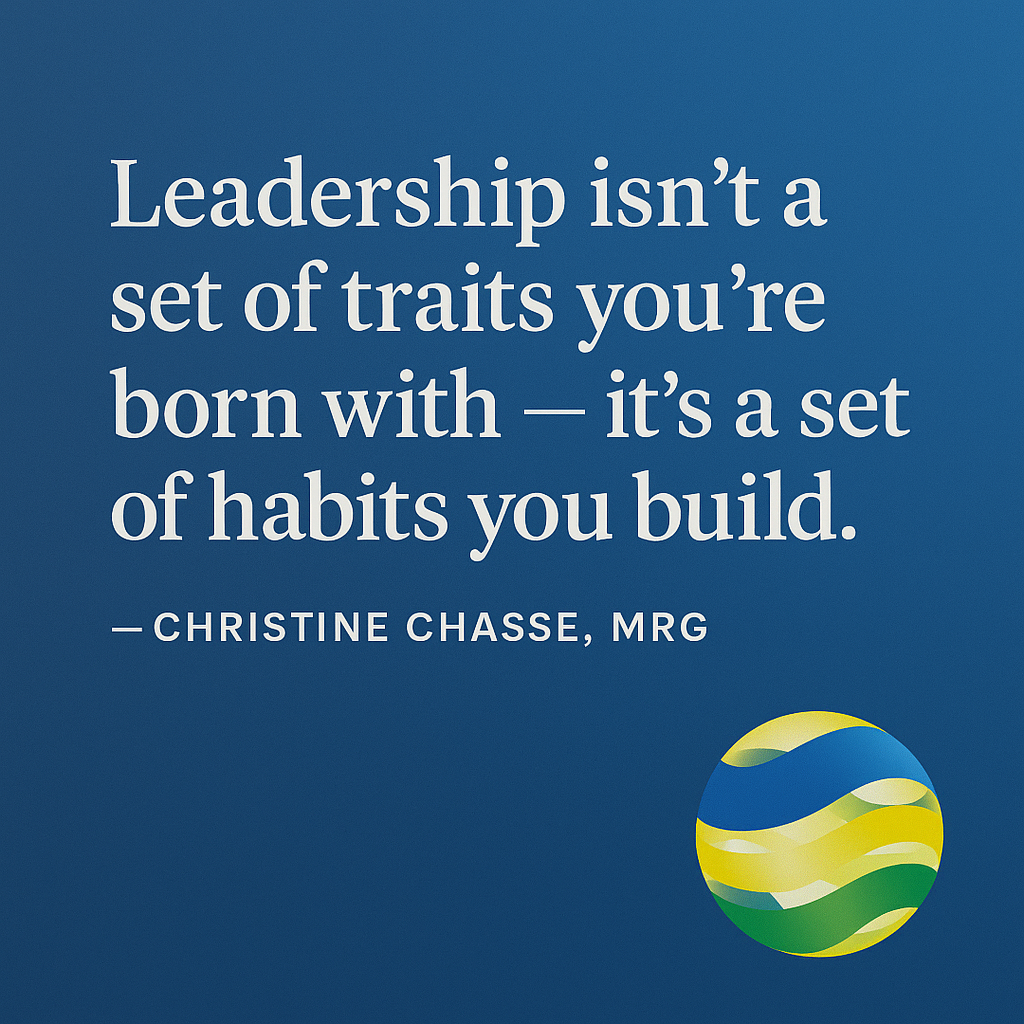
Senior Executive Coach Christine Chasse explores a case study that demonstrates the powerful impact of coaching for confidence.
Confidence is a powerful force in leadership. Yet, it is often misunderstood. Many leaders assume confidence is a fixed personality trait or a by-product of experience. In reality, confidence is shaped by clarity of self-awareness, structure in thinking and behavior, and repeated success in real-world application.
Coaching for confidence in leaders explores how intentional development work helps leaders shift not just what they believe, but how they act, communicate, and influence others.
This case study highlights how a structured coaching approach, grounded in data-driven assessment insight, helped one leader strengthen confidence, gain clarity on strengths, and improve performance outcomes.
Understanding Confidence in Leadership
Before diving into the case itself, it is important to understand what we mean by confidence in the context of leadership.
In leadership development, confidence is not about bravado or self-assurance tied to ego. Instead, confidence refers to:
- Clarity about who you are as a leader
- Trust in your abilities and judgment
- Comfort in uncertainty and ambiguity
- The willingness to take decisive action
- The ability to influence others effectively
Leaders who lack confidence often second-guess their decisions, avoid visible accountability, or lean too heavily on others’ opinions. While technical skill matters, what sets apart stronger leaders is not just what they know, but how they show up, especially under pressure.
Coaching for confidence recognizes that confidence emerges from consistent action supported by self-awareness and development rather than a nebulous feeling.
Building Confidence Through Assessment-Informed Coaching
In this case study, a senior leader (we’ll call her Ava) was struggling with confidence in her role. Ava was highly capable, technically strong, and respected by peers, yet she hesitated when it came to:
- Making high-stakes decisions
- Speaking with clarity in large group settings
- Negotiating with peers and stakeholders
- Engaging in strategic risk discussions
Ava wanted to lead with presence and clarity, but she lacked a practical way to build that confidence.
Enter coaching for confidence.
The coaching process began with two critical elements:
1. Accurate Insight from Assessment Data
A foundational step in the coaching engagement was understanding why certain behaviors were causing hesitancy. Rather than relying solely on subjective observation or anecdotal feedback, the coach introduced assessment tools, specifically:
- Leadership Effectiveness Analysis™ (LEA 360): to understand how Ava’s behavior was perceived by others
- Individual Directions Inventory™ (IDI): to reveal underlying motivations and drivers shaping her reactions
These assessments provided objective insights into Ava’s:
- Natural predispositions
- Motivational patterns
- Strengths and habitual tendencies
- Areas of consistency and inconsistency in behavior
This diagnostic foundation made confidence coaching actionable.
Rather than simply telling Ava to “be more confident,” the coach could point to specific behaviors and patterns that were connected to how she was perceived and how she experienced uncertainty.
2. Reframing Leadership Confidence as Skill, Not Identity
One of the earliest breakthroughs in the coaching was a mindset shift:
Confidence is not about feeling certain before acting. It’s about structuring your thinking so that uncertainty becomes manageable.
This reframing helped Ava move away from waiting until she felt confident and toward acting with structure, clarity, and purpose even when she felt unsure.
For example, her coach worked with her to:
- Define the decision criteria clearly before committing
- Practice concise language for expressing decisions
- Anchor statements in observable data and priorities
- Use purposeful pausing to gather input and project calm
This approach made confidence measurable and coachable.
Coaching Conversations That Build Confidence in Leaders
The coaching sessions focused on several key practices:
Clarifying Core Messages
Ava worked on translating complex ideas into short, clear statements. Coaches supported her in drafting concise talking points for meetings before they occurred, which built internal clarity and external confidence.
Structured Reflection
After key interactions, Ava and her coach reviewed:
- What went well
- What triggered uncertainty
- What patterns showed up repeatedly
This reflective practice helped her see confidence as developing muscle memory rather than a one-time attainment.
Role-Plays and Behavioral Experiments
Simulated scenarios allowed Ava to practice specific behaviors before real interactions. These included:
- Leading team strategy sessions
- Engaging in difficult performance conversations
- Negotiating with cross-functional partners
Each role-play was designed to:
- Connect intent with impact
- Reduce ambiguity of response
- Reinforce repeated action
Results: Confidence as Everyday Competence
After several months of coaching for confidence:
Ava demonstrated measurable growth in key areas:
- Increased clarity in communication — others understood her direction sooner
- Greater presence in high-stakes interactions — she no longer avoided visible decision points
- Improved perception by peers — rated higher on decisiveness and influence
- Higher comfort with ambiguity — less rework and more forward motion
The assessments showed change not because Ava felt more confident in a vague sense, but because her behavior reflected confidence consistently and visibly.
Why Coaching for Confidence in Leaders Works
This case highlights several principles that make this style of practice effective:
- Confidence is observable behavior, not internal sensation
- When leaders act with clarity and purpose, others perceive confidence even if the leader does not feel perfectly certain.
- Assessment data removes ambiguity
- Objective insights allow leaders to understand how others experience them and what to adjust.
- Repetition builds capability
- Structured practice reinforces confidence as a habit.
- Self-awareness is the foundation
- Leaders who understand what motivates them and where they hesitate can shape responses with intention.
Practical Tips for Coaches Supporting Confidence Development in Leaders
If you are a coach working with leaders who want greater confidence, consider:
- Starting with assessment data that reveals observable behavior and motivation
- Helping clients reframe confidence as performance — something leaders do — instead of something they feel
- Building structured reflection practices into the coaching cadence
- Using role-plays and behavioral experiments to reinforce new habits
- Tracking specific outcomes (e.g., clarity of communication, number of decisive actions taken, feedback from stakeholders)
These practices make confidence coaching grounded, measurable, and tied to real work outcomes.
Conclusion: Leadership Confidence Is a Competence
Confidence in leadership is not mystical or inherent. It is a competence, a set of behaviors reinforced over time through insight, practice, and reflection.
Coaching for confidence in leaders transforms uncertainty into clarity, hesitation into action, and doubt into a reliable presence. When leaders embody confidence in how they act, they create environments where others can follow with trust and purpose.